Elevator Fund Internship 2014 – Third Week
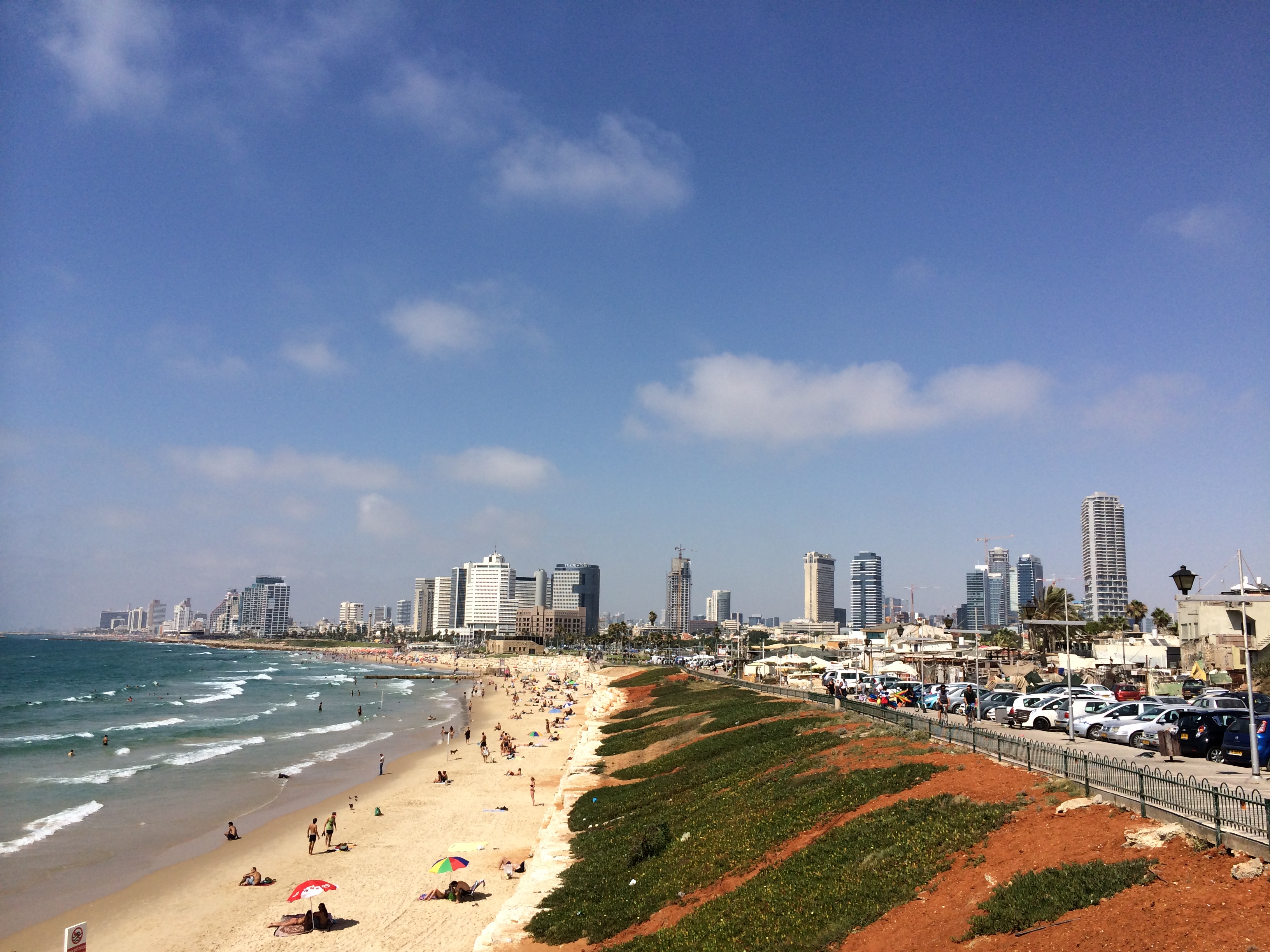 “How are you enjoying the war?” asked my boss with a big grin and a chuckle. What war? On the streets and beaches of Tel Aviv, it seemed to be business as usual: dog walkers, people watchers, and dedicated joggers. Less than 40 miles south of Tel Aviv, in cities like Ashkelon, Ashdod, and Be’er Sheva, a very different reality was setting in. Over 85 rockets had been fired into Southern Israeli cities by Hamas on July 7th from Gaza. The barrage would not go unanswered. By the morning of July 8th, Operation Protective Edge was in full swing. The past few weeks have been an incredibly unique experience, full of insightful conversations, new friendships, and meaningful connections.
 When I first told my parents about the trip, they were reluctant. “Why don’t you find something in D.C. or New York?” They, like many Americans, were all too familiar with recent media coverage. In a similar vein, Israelis often ask me “Why did you choose Israel?” The answer has two parts. The first is my passion for entrepreneurship. Israel is known as “Startup Nation,” with the most number of startups per capita and about 3% of their GDP attributed solely to startups (as of 2000). Foreign investment, talented engineers, and a thriving entrepreneurial culture create a powerhouse for technological innovation. The second part is a sense of wanderlust. I believe it is essential to explore, travel, meet new people, and experience different cultures. I must have told my parents, “It will be fine, I can take care of myself” several hundred times before the trip. In all honesty, as I was sitting at the gate in Frankfurt waiting to board my connecting flight to Tel Aviv, there were some nerves. It is so important, especially in today’s global economy, to be comfortable with being uncomfortable.
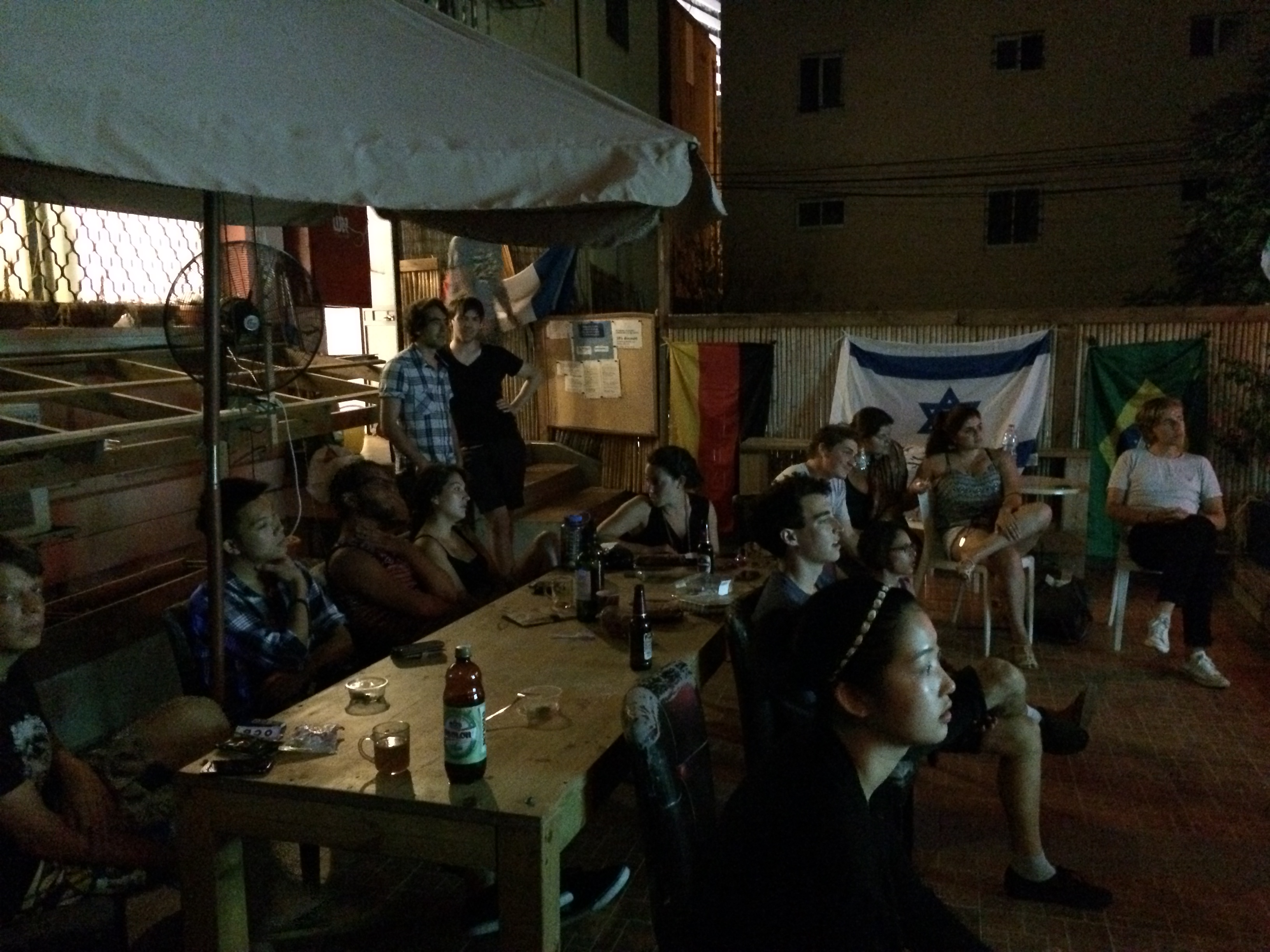
As unattractive as it sounds to live in a hostel for seven weeks, it has been one of the most rewarding parts of my experience so far. Chef Hostel is a small pink building situated in the heart of Tel Aviv – only two blocks from one of the busiest roads in Tel Aviv, Rothschild Boulevard, and a fifteen minute walk from the beach. I’ve had the opportunity to meet so many different people from all over the world. Hostel life is all about new friendships, making connections, and spontaneity. One simple trick I’ve learned: talk to everyone. People are predictable. A smile and a “where are you from?” are all it takes to make a new friend. The beauty of hostel life is that people open up very quickly – a few days of friendship at a hostel can feel like a few months of friendship back home. Living long-term at a hostel can be bittersweet at times, too. The friendships are fleeting – especially when most patrons only stay for a couple of days.
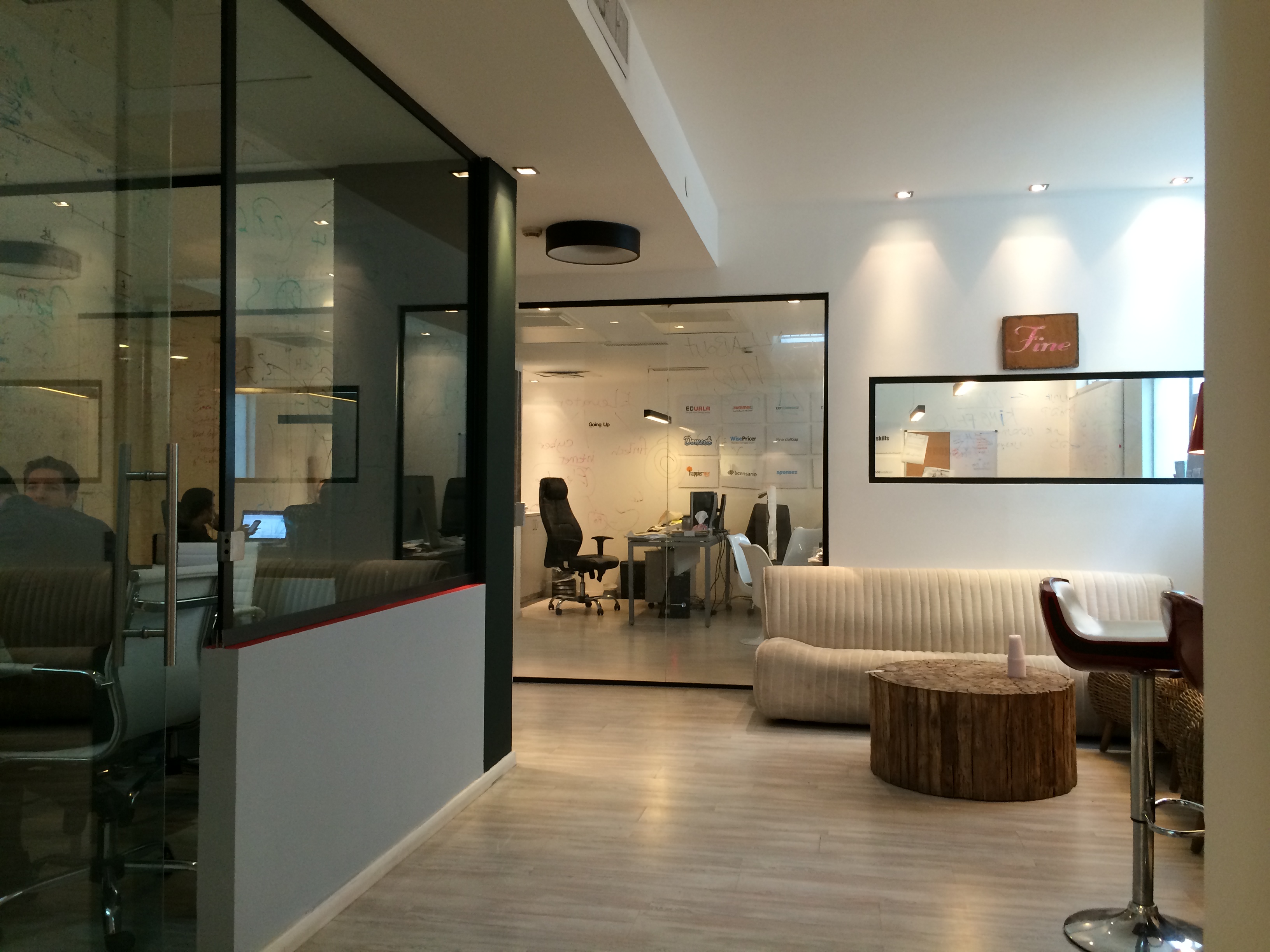 I currently intern at Elevator Fund, an investment vehicle for early-stage startups. Work offers a much needed balance to Tel Aviv’s scorching beach fronts and vivacious nightlife. Sometimes I forget that I’m not on vacation. Our office is only a five minute walk from Chef Hostel – it’s sleek, modern, and feels a bit like a startup in and of itself. There are five other interns in our office: four from the United States and one living in Israel who has recently completed his service in the IDF. Over the past few weeks, I’ve done a bit of everything. I’ve worked directly with Israeli startups on content, research, and strategy, as well as with Elevator on potential partnerships with large corporations. Working at Elevator has provided me with a better understanding of Israel’s startup ecosystem as well as insight into the current situation in Israel.
In the weeks leading up to our departure date, news of the three missing Israeli teenagers made headlines around the world. The news was unsettling, and reports that one of the teenagers was also an American citizen brought the story closer to home. On June 30, after 18 days of searching, the bodies of the three boys were found. The mood in Tel Aviv was somber as Israelis mourned the loss of the teens.
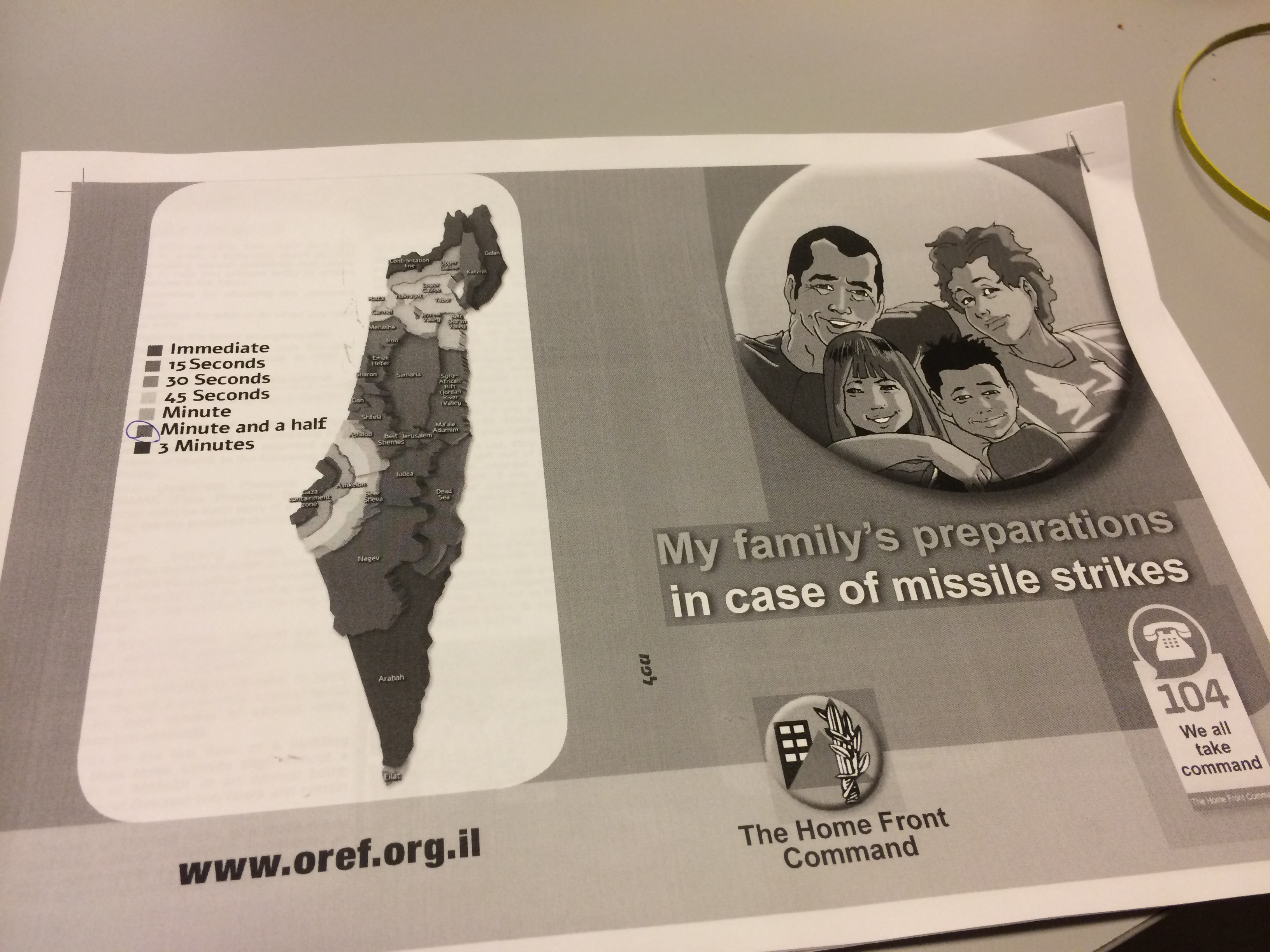 From there, things transpired quickly. In response to discovery of the bodies, Israel launched airstrikes on Gaza which were met with rockets fired into Israel by Hamas. On July 2nd, a Palestinian teen was kidnapped and burned alive in what appeared to be a revenge killing. As tensions rose, we were advised not to travel to Jerusalem by the U.S. Embassy because of riots and protests. Israel’s crackdown on Hamas would eventually lead to Operation Protective Edge. The morning of July 8th, our boss handed us packets titled “My family’s preparations in case of missile strikes,” which looked eerily similar to a pamphlet you might find about hurricane preparedness. According to the packet, we have about 90 seconds to find shelter. I didn’t think rockets would be an issue in the bustling metropolis that is Tel Aviv. I was wrong.
The first rocket siren went off in Tel Aviv at 7:05 PM on July 8th. I actually didn’t hear it. We were out shopping on Allenby Street when one of our friends got a call from a relative. We rushed back to the hostel and turned on the news. A group of us – French, Germans, Americans, and Israelis – talked about what was happening. Most were tense, but the Israelis insisted that everything was fine. We later found out that the siren does not sound city-wide, but instead only in neighborhoods in the path of the rocket. There was also a lot of talk about the “Iron Dome,” Israel’s missile defense system. The Iron Dome is designed to track, intercept, and destroy rockets heading towards populated areas. The system prioritizes the rockets, and those heading towards open fields or unpopulated areas are not intercepted.
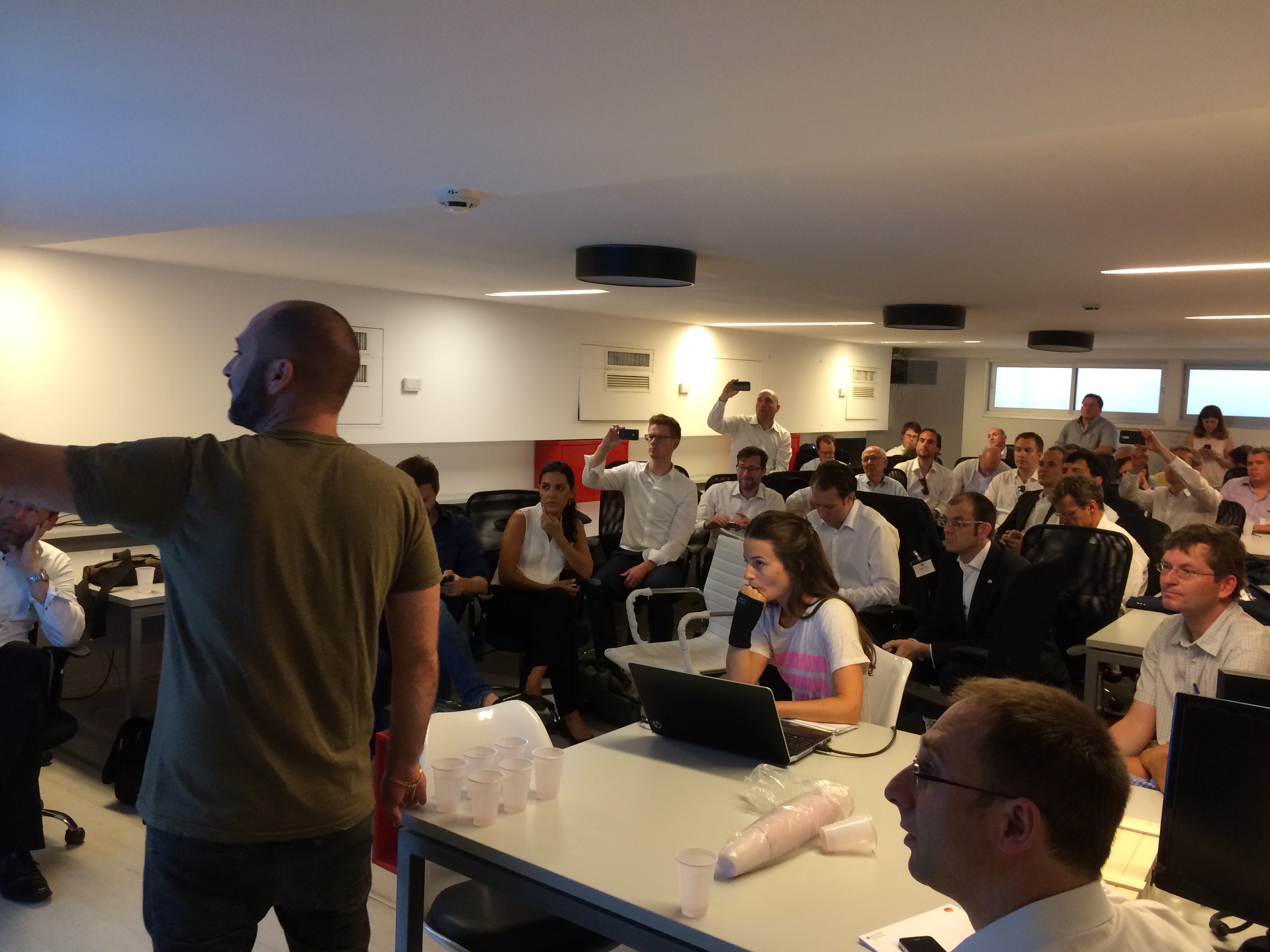 The first sirens I actually heard sounded off the next day while at the office. The entire office hurried down into the building’s lower level. Spirits were high, people were chatting, and after a few minutes everybody was back at their desks. Over the next couple of weeks, these bomb shelter hangouts would become more and more common. It’s the one time of the day everybody in the office is together, albeit just for a few minutes. Discussion of current events is a daily ritual at the office and in the hostel. The variety of perspectives has been enriching and the occasional argument is not uncommon. It seems like everyone has something to say, and some opinions are more informed than others.
Since early July, rockets and sirens have become a regular interruption to daily activities. There are usually one or two a day in Tel Aviv, and each time the routine is the same. You run to a nearby shelter (be it an official city shelter, a restaurant, stairwell, etc), wait until you hear the “boom” of the interception – occasionally there are two or three, and then carry on with your day. You’re supposed to wait up to 10 minutes after the sirens go off before venturing outside (in case of falling debris), but very few do.
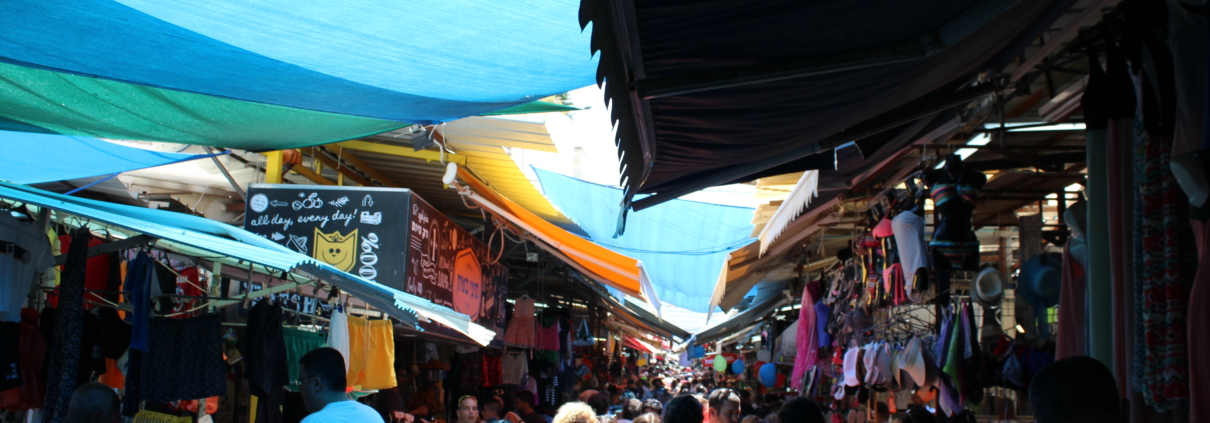
One evening I was eating on a patio with some friends on Rothschild Boulevard, one of the main streets in Tel Aviv. We looked up from our meals and saw an orange ball in the sky. The rocket was too far away to trigger the siren, but close enough to see. Suddenly, in a bright orange flash the ball was gone. Another Iron Dome success. Looking back, the situation was incredibly surreal. The contrast between restaurant patrons enjoying dinner and rockets flying by is something I’ve grown accustomed to. I have been strangely calm throughout the whole ordeal. Maybe it’s the sense of security provided by the Iron Dome. Or maybe it’s the man at Carmel Market who explained that this was just a part of life in Israel and there was nothing to worry about, a sentiment shared by almost every Israeli I’ve spoken to. Those that are troubled are usually small business owners, like the owner of Chef Hostel, who are worried about the low levels of tourism in a month when business is usually bustling. As the hostel owner put it, “there is no real rocket threat, the only real threat is that you get too burned from the sun and too full from hummus.”
The city has been especially quiet lately with the onset of the ground offensive in Gaza. Thousands of Israelis have been called back to service, including several from our office. In Israel, many are required to remain on reserve until the age of 40. The juxtaposition of Tel Aviv’s vibrant nightlife and the war raging on farther south is strange at times. With hundreds dead in Gaza and no immediate solution in sight, the situation appears to be quickly deteriorating. Friends and family in the States often worry about what’s happening here, but in Tel Aviv, it seems, life goes on.
-Justin Lau
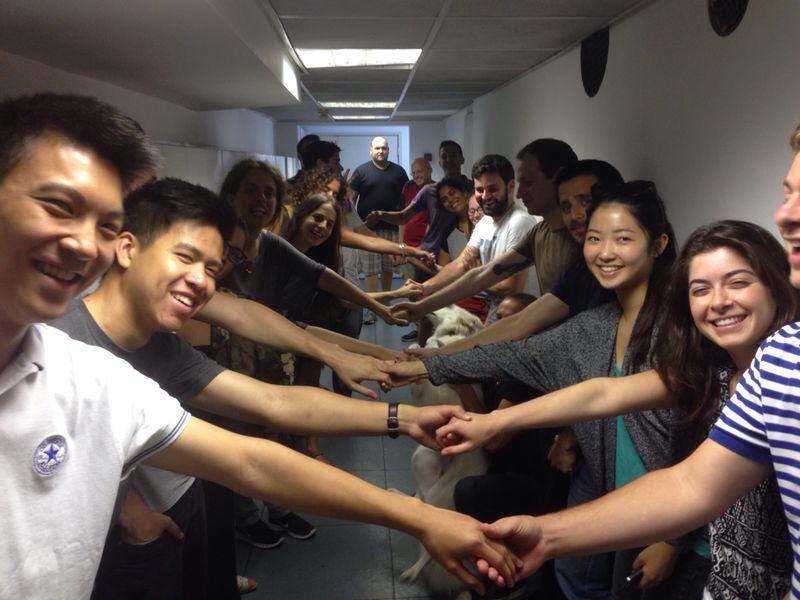
 Nevertheless, work continues as does life. One aspect of the Israeli culture to which I certainly need more time to adjust is the Hebrew calendar, where working days are from Sunday to Thursday, with Friday and Saturday being considered the weekend. Anyways, on Sunday, I was given the task of providing biographies of 28 professionals for a total of thirteen pages of research notes, needed within four hours. Although my fingers were exhausted afterwards, I felt like I had accomplished a worthy achievement.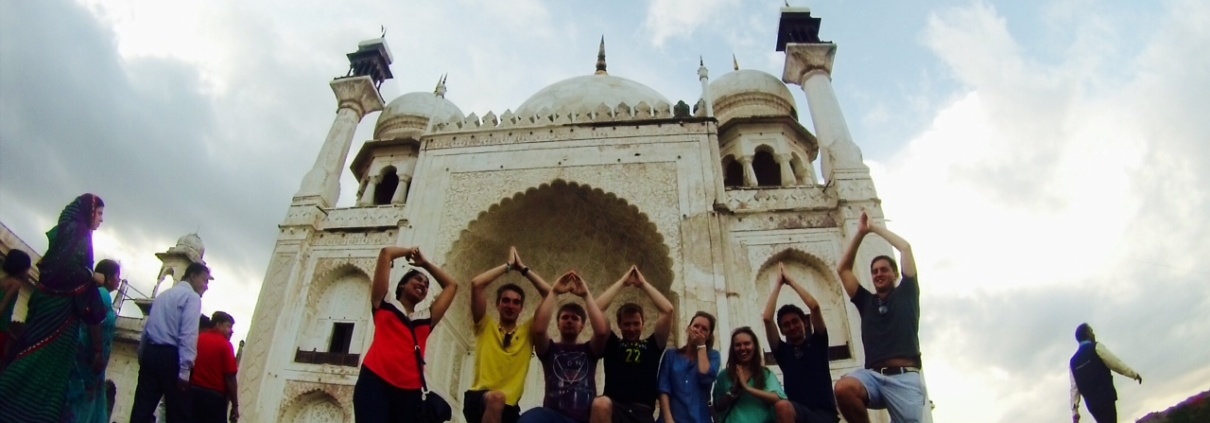
 A sweet, subtle petrichor suffused the Pune air, heralding the arrival of the much awaited monsoon. The monsoon has one of the most transformative effects on a landscape in the world, changing it from barren fields into a lush green carpet. Moreover, its arrival is eagerly anticipated across all social strata. In many respects the Indian economy relies wholeheartedly on weather that we very much take for granted back home. Though the monsoon has not yet built up to its notorious tumult, we have seen glimpses of its infamous power.